We've all had those days where getting out of bed feels harder than it should. You might have had a full night's sleep, eaten breakfast, and started your day as normal, yet somehow you're still feeling drained before lunchtime.
Occasional tiredness is a normal part of life, especially during busy periods. However, when fatigue becomes a regular companion, it's worth taking a closer look at some of the everyday habits and lifestyle factors that could be contributing to it.
The good news is that feeling tired isn't always about needing more sleep. In many cases, small changes to your routine can make a noticeable difference to your energy levels over time.
Are you getting enough quality sleep?
Most adults need around 7–9 hours of sleep per night, but it's not just about the number of hours you spend in bed. Sleep quality matters too. Interrupted sleep, inconsistent bedtimes, and screen use before bed can all affect how rested you feel the next day [1].
Many people underestimate how much their evening habits influence their energy levels. Scrolling on your phone late into the night or maintaining different sleep schedules throughout the week can make it harder for your body to settle into a healthy rhythm.
Top tip: Try going to bed and waking up at roughly the same time each day, even on weekends. Consistency helps support your body's natural sleep-wake cycle.
Could your diet be affecting your energy?
Food provides the fuel your body needs to function. Skipping meals, relying heavily on sugary snacks, or eating an unbalanced diet can lead to fluctuations in energy levels throughout the day [2].
Iron, vitamin B12 and vitamin D are among the nutrients that contribute to normal energy-yielding metabolism and the reduction of tiredness and fatigue [3].
While everyone has different nutritional needs, maintaining a varied and balanced diet is an important foundation for sustained energy. If you're regularly feeling tired, it may be worth reviewing your eating habits before reaching for another coffee.
Stress and mental wellbeing can be exhausting
Physical tiredness isn't the only type of fatigue. Mental and emotional strain can have a significant impact on how energised you feel.
When we're stressed, worried, or overwhelmed, our bodies often remain in a heightened state of alertness. Over time, this can affect sleep quality, concentration, motivation, and overall wellbeing [4].
Even small moments of relaxation can help. Taking regular breaks, spending time outdoors, speaking with friends, or practising mindfulness may all contribute to feeling more balanced.
Try this: Step away from your desk for ten minutes today and take a short walk outside. Fresh air and movement can be surprisingly effective at resetting your focus.
Are you drinking enough water?
Mild dehydration can sometimes leave you feeling sluggish, tired, or unable to concentrate fully [5]. Many of us simply don't drink enough fluids throughout the day, particularly when we're busy. Keeping a reusable water bottle nearby can serve as a helpful reminder to stay hydrated. It's a simple habit, but one that often gets overlooked.
The role of movement and exercise
When you're feeling tired, exercise might be the last thing you want to do. However, regular physical activity can actually help improve energy levels and reduce feelings of fatigue over time [6].
This doesn't mean you need to start an intense training programme. Walking, stretching, cycling, or any form of movement that you enjoy can be beneficial. The key is consistency rather than intensity.
Could supplements help?
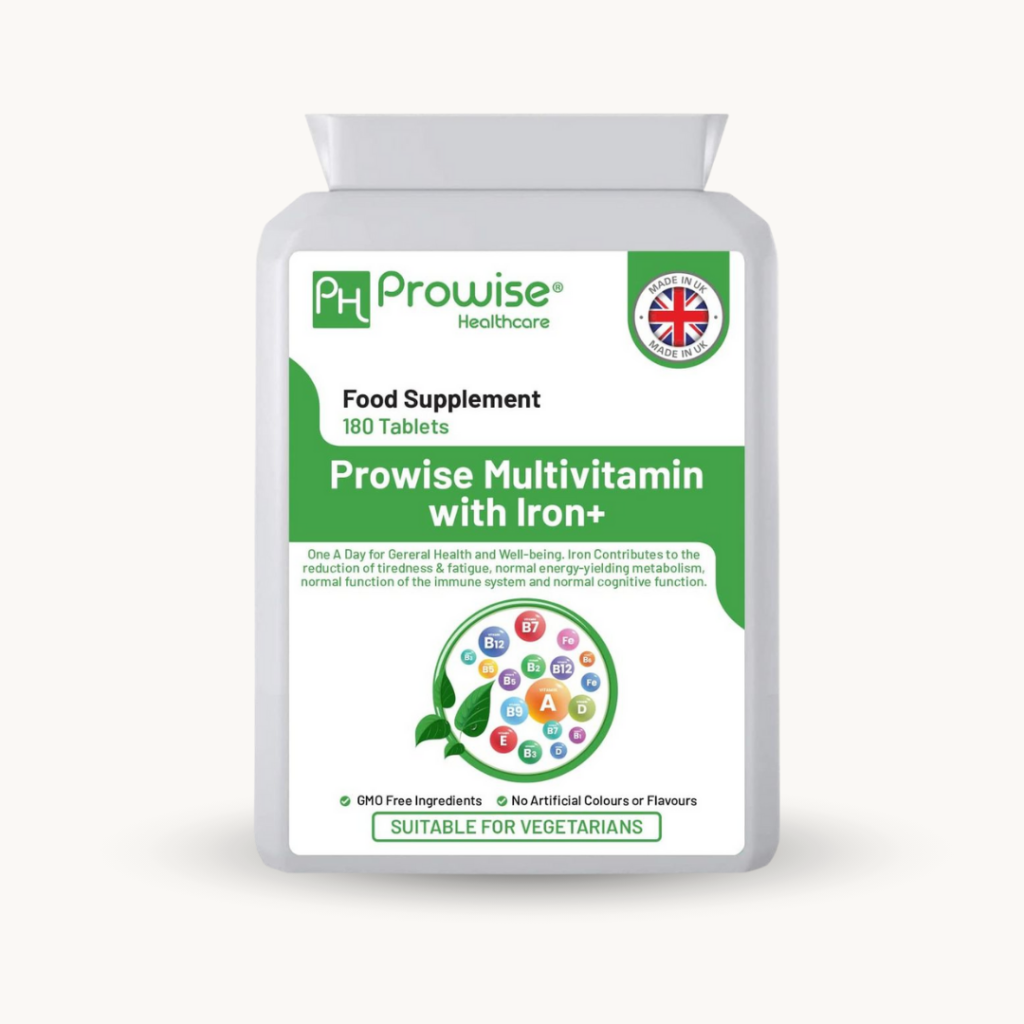
While supplements shouldn't replace a healthy lifestyle, some people choose to include them as part of their overall wellbeing routine. Products containing nutrients such as vitamin B12, vitamin D, iron, or other energy-supporting ingredients may be suitable depending on individual needs and circumstances. If you're considering supplements, it's important to choose products carefully and seek professional advice where appropriate.