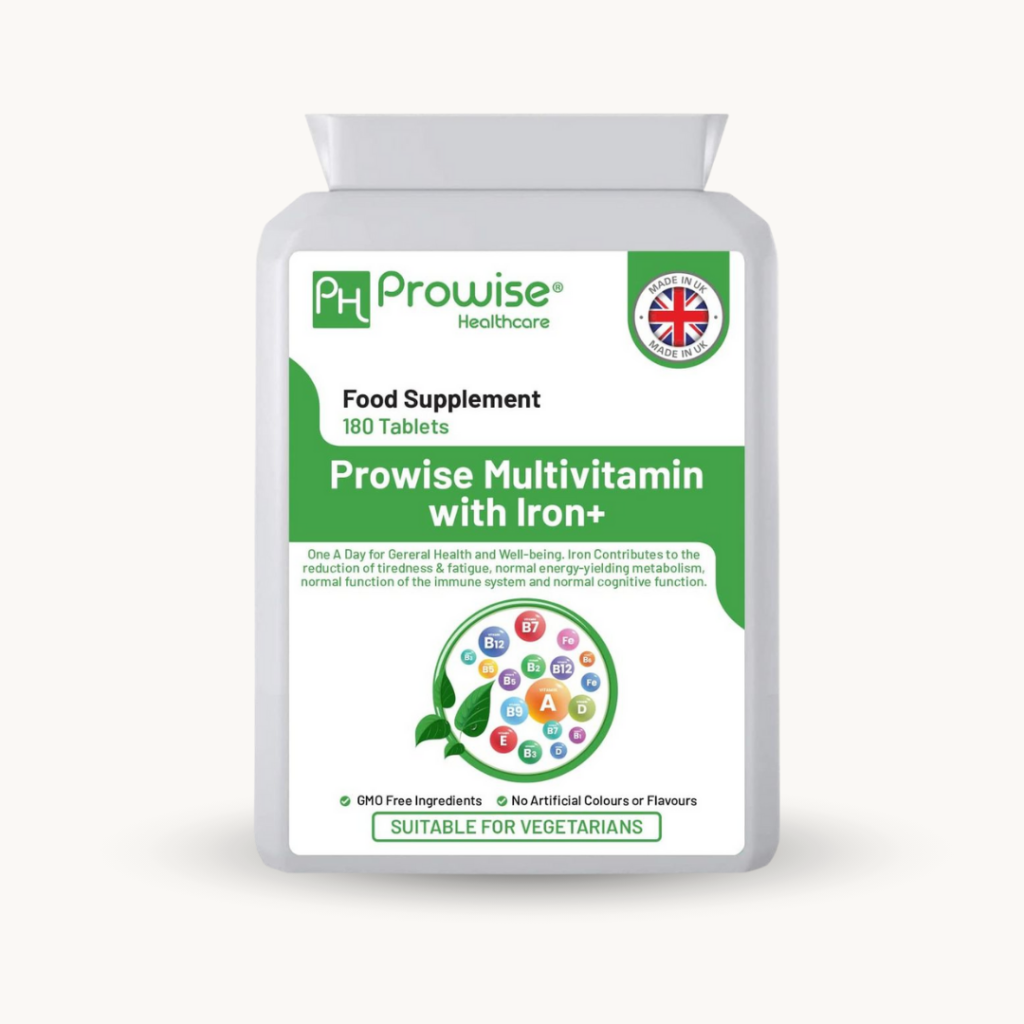
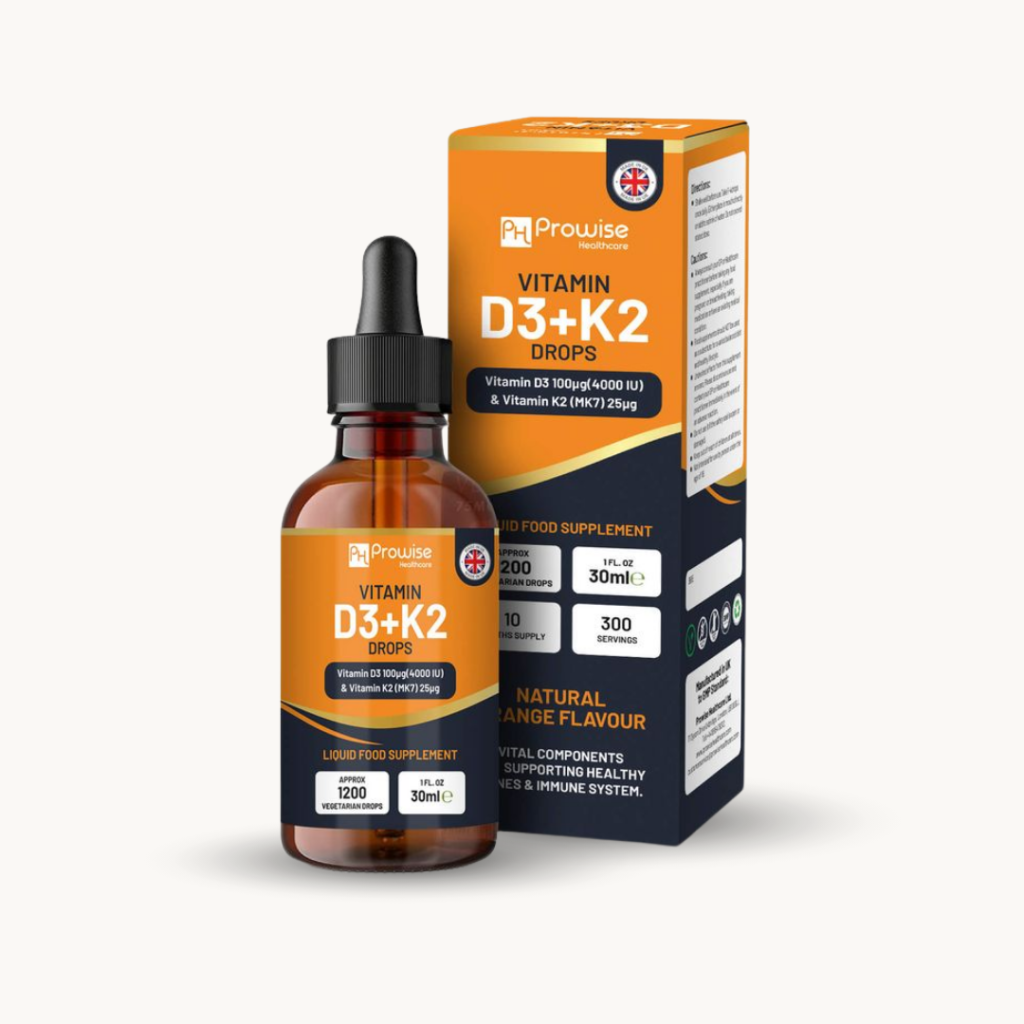
Feeling tired from time to time is completely normal, especially during busy periods or after a poor night's sleep. However, when low energy becomes a regular part of daily life, many people begin looking at their diet and lifestyle to see whether nutritional factors could be playing a role.
While there's no magic solution for fatigue, certain vitamins and minerals contribute to normal energy-yielding metabolism and can help support the body's natural processes [1]. Understanding what these nutrients do and where to find them can be a useful first step towards supporting your overall wellbeing.
Vitamin B12
Vitamin B12 is one of the most talked-about nutrients when it comes to energy. It contributes to normal energy-yielding metabolism and helps reduce tiredness and fatigue [1].
B12 is naturally found in foods such as meat, fish, eggs and dairy products. People following vegetarian or vegan diets may find it more challenging to obtain sufficient amounts through food alone, which is why fortified foods and supplements are sometimes considered. Low levels of vitamin B12 can sometimes contribute to feelings of tiredness, which is why it's often one of the first nutrients discussed when people are concerned about their energy levels.
Vitamin D
Vitamin D is best known for supporting normal bones, teeth and immune function, but it's also a nutrient many people in the UK struggle to obtain in sufficient quantities, particularly during the autumn and winter months [2].
Since vitamin D is primarily produced when the skin is exposed to sunlight, reduced sun exposure can make it more difficult to maintain healthy levels throughout the year. The NHS recommends that many adults consider a daily vitamin D supplement during the autumn and winter months [2].
Top tip: If you're spending most of your day indoors, try taking a short walk outside during daylight hours. Even a brief period outdoors can help support both physical and mental wellbeing.
Iron
Iron contributes to normal cognitive function, oxygen transport and the reduction of tiredness and fatigue [1].
Foods rich in iron include red meat, beans, lentils, spinach and fortified breakfast cereals. Women, particularly those of childbearing age, may have higher iron requirements than other groups. Because iron plays a role in transporting oxygen around the body, maintaining healthy levels is important for overall energy and wellbeing.
Folate (Vitamin B9)
Folate is another important nutrient involved in reducing tiredness and fatigue and supporting normal psychological function [1]. It's found naturally in foods such as leafy green vegetables, peas, beans and citrus fruits. Folate is particularly important during pregnancy, but it also plays a role in everyday health and wellbeing. A balanced diet that includes a variety of fruits and vegetables can help support healthy folate intake.
Magnesium
Magnesium has become increasingly popular in recent years, and for good reason. It contributes to normal muscle function, psychological function and energy-yielding metabolism [1]. Magnesium is naturally present in foods such as nuts, seeds, whole grains and leafy green vegetables. While it isn't a quick fix for tiredness, it plays an important role in many processes throughout the body and is often included in energy-support supplements.
Don't forget the bigger picture
Although vitamins and minerals are important, they are only one piece of the puzzle. Poor sleep, dehydration, stress, lack of movement and an unbalanced diet can all contribute to low energy levels [3][4].
Focusing solely on supplements without addressing these wider lifestyle factors may mean missing some of the most important opportunities to support your wellbeing.
Try this: Before reaching for another coffee, ask yourself three simple questions: Have I had enough sleep? Have I eaten properly today? Have I drunk enough water? The answer is often surprisingly revealing.
Supporting your energy naturally
If you're looking to support your energy levels, start with the basics. Prioritise sleep, maintain a balanced diet, stay hydrated and make time for regular movement. For some people, supplements may also form part of their wellbeing routine. Products containing nutrients such as vitamin B12, vitamin D, magnesium and iron are often included in energy-focused formulations.