If you've ever found yourself feeling unusually tired, sluggish, or lacking motivation, you're certainly not alone. While busy lifestyles, poor sleep, and stress are often the first things people blame, there's another factor that is frequently discussed when it comes to low energy levels, vitamin D.
Summary
A quick overview of the key takeaways from this Apples article.
The sunshine vitamin
Vitamin D supports several important functions in the body and is primarily produced through sunlight exposure.
A common UK concern
Many people in the UK may struggle to maintain healthy vitamin D levels, particularly during autumn and winter.
Think holistically
While vitamin D may be one factor, energy levels are also influenced by sleep, nutrition, hydration, movement, and overall wellbeing.
Often referred to as the "sunshine vitamin", vitamin D plays an important role in maintaining normal bones, muscles, and immune function [1]. However, many people in the UK struggle to maintain healthy levels, particularly during the autumn and winter months when sunlight exposure is reduced.
So, could low vitamin D be contributing to your tiredness? Let's take a closer look.
What is vitamin D?
Vitamin D is a nutrient that helps the body absorb calcium and supports several important functions throughout the body. Unlike many vitamins, our bodies can produce vitamin D naturally when our skin is exposed to sunlight [1]. While small amounts can be obtained from foods such as oily fish, eggs, and fortified products, sunlight remains the primary source for most people. This can present challenges in the UK, where shorter days and less sunlight during parts of the year may make it harder to maintain adequate levels naturally.
Can low vitamin D affect energy levels?
Fatigue can have many causes, and vitamin D isn't always the reason. However, low vitamin D levels are commonly discussed alongside symptoms such as tiredness, low mood, and feeling generally run down [2]. Because these symptoms can also be linked to other lifestyle factors and health conditions, it's important not to assume vitamin D is the sole cause of low energy.
If you're experiencing ongoing fatigue, speaking with a healthcare professional is always recommended. What we do know is that maintaining healthy vitamin D levels supports a range of important bodily functions that contribute to overall wellbeing.
Why is vitamin D a common concern in the UK?
One reason vitamin D receives so much attention is because many people simply don't get enough sunlight throughout the year. The NHS advises that everyone should consider taking a daily vitamin D supplement during the autumn and winter months, when sunlight isn't strong enough in the UK for the body to produce sufficient amounts naturally [1]. Certain groups may also be at increased risk of low vitamin D levels, including people who spend little time outdoors, cover most of their skin when outside, or have darker skin tones [1].
Other signs that may accompany low vitamin D
Vitamin D is involved in several functions throughout the body, which is why low levels may be associated with a variety of symptoms [2]. Some people report:
- Feeling tired or lacking energy
- Low mood
- Muscle weakness
- General feelings of being run down
It's important to remember that these symptoms can have many causes, and self-diagnosis should be avoided. If symptoms are persistent or concerning, seek professional medical advice.
Supporting healthy vitamin D levels
For many people, maintaining healthy vitamin D levels involves a combination of sunlight exposure, diet, and supplementation where appropriate. Foods that contain vitamin D include:
- Oily fish such as salmon and mackerel
- Egg yolks
- Fortified breakfast cereals
- Fortified dairy and plant-based alternatives
However, because food sources are relatively limited, supplements are often considered a practical option, particularly during the colder months [1].
Looking beyond vitamin D
While vitamin D is important, it's only one piece of the energy puzzle. Sleep quality, hydration, nutrition, physical activity, stress levels, and overall health can all influence how energised you feel day to day [3][4]. That's why taking a balanced approach to wellbeing is often more effective than focusing on a single nutrient or supplement.
-
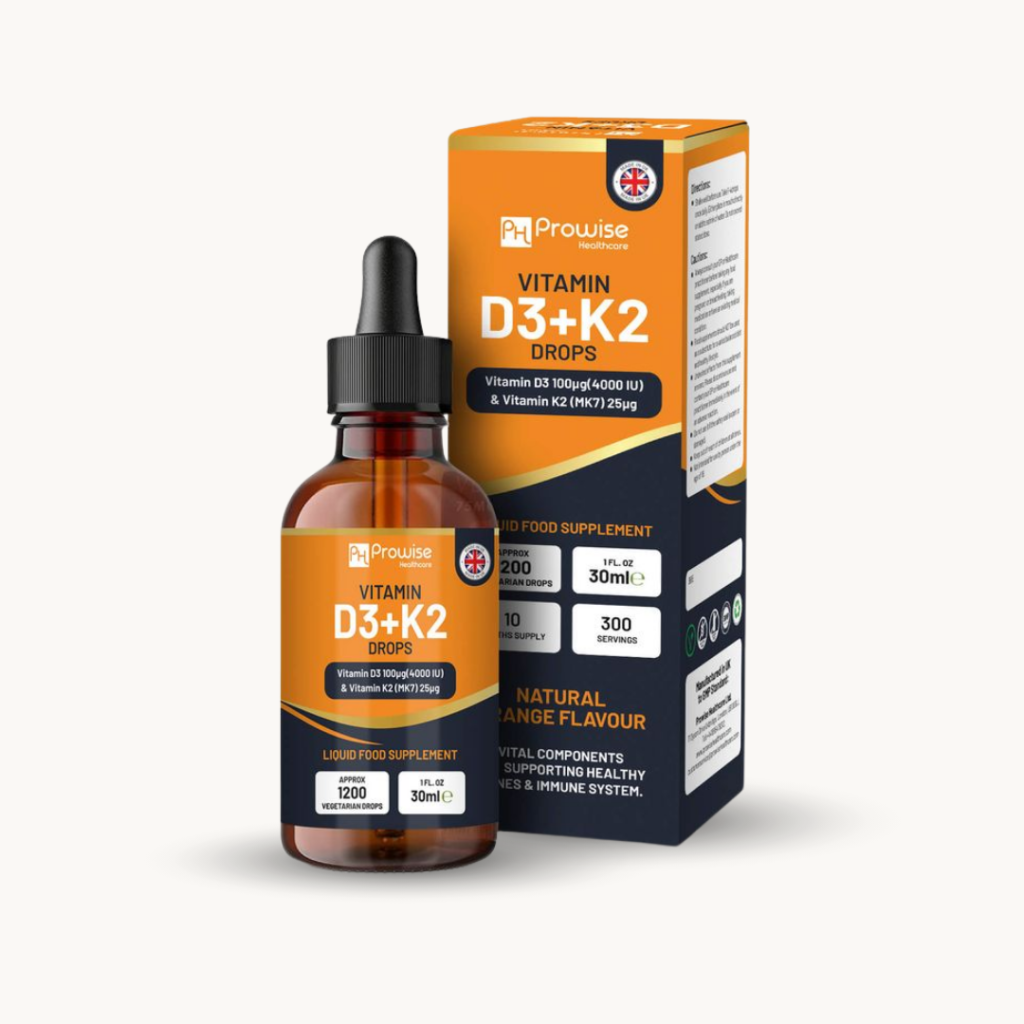
Vitamin D3 + K2 Liquid Drops – 30ml
£14.99Original price was: £14.99.£12.99Current price is: £12.99. -
Vitamin D3 10,000IU Softgels
£12.99
-
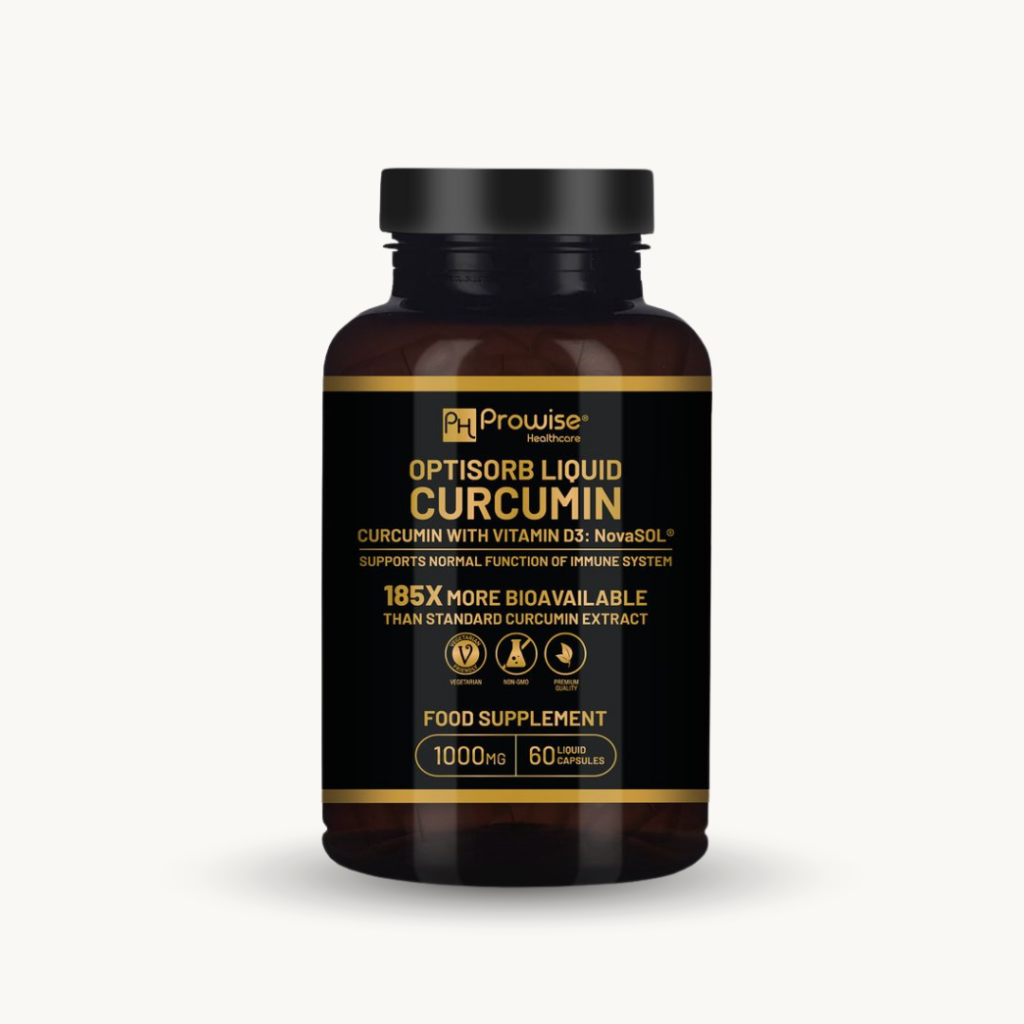
Optisorb Liquid Curcumin and Vitamin D – 60 Liquid Capsules
£14.99Original price was: £14.99.£8.99Current price is: £8.99. -
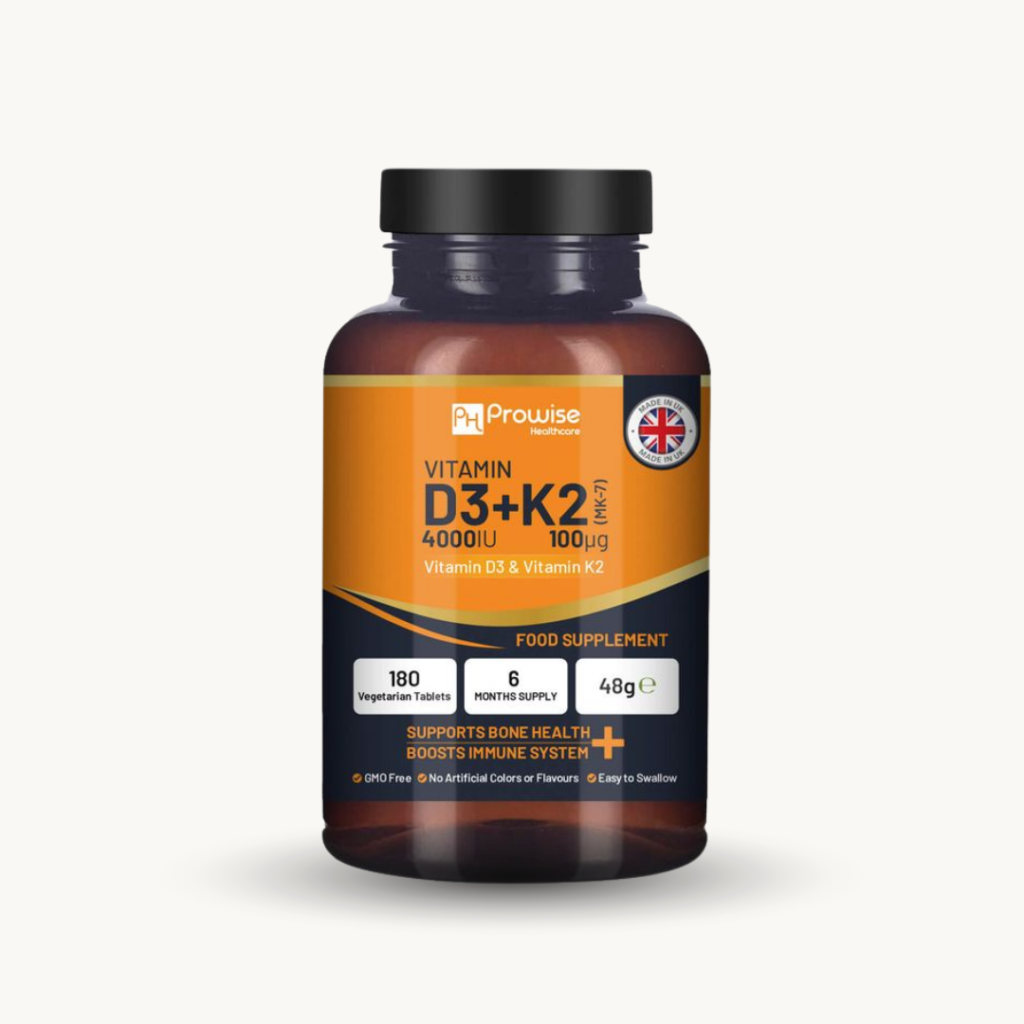
Vitamin D3 and K2 Tablets 4000IU – 180 Tablets
£9.99
A brighter approach to wellbeing
Vitamin D has become one of the most talked-about nutrients in recent years, particularly in countries like the UK where sunlight can be limited for much of the year. If you're feeling tired, it's worth considering whether your lifestyle, nutrition, and overall wellbeing habits are supporting your energy levels. While vitamin D may play a role for some people, lasting wellbeing is usually built through a combination of healthy habits, good nutrition, and seeking professional advice when needed.
References
The references below link to trusted third-party sources used to support the information in this article. These links will open external websites not operated by Apples.
Covered in this article
Disclaimer: This article is intended for general wellbeing information only and does not replace professional medical advice. Always consult your GP or a qualified healthcare professional before using supplements or alternative products, especially if you have an existing medical condition or are under medical supervision.