

Probiotics promise everything from better digestion to a healthier gut, but what does the evidence actually say? We look beyond the billions of bacteria and find out whether probiotics really work.
Summary
A quick overview of the key takeaways from this Apples article.
Not all probiotics are equal
Different probiotic strains can behave differently, so one product can't necessarily be expected to do what another does.
There is some good evidence
Certain probiotics have shown benefits for specific uses, but that doesn't mean everyone needs to take one.
Your diet still matters
Probiotic supplements are only one small part of the much bigger picture when it comes to looking after your gut.
Walk through the wellness aisle of almost any shop and you'd be forgiven for thinking your gut is desperately waiting for you to buy some "good bacteria". Probiotic capsules promise billions of live cultures, supermarket fridges are filled with little bottles of bacteria, and social media regularly tells us that improving our microbiome could be the answer to seemingly everything.
It's a compelling idea. After all, our digestive system is home to an enormous community of microorganisms, collectively known as the gut microbiome, and researchers are increasingly interested in the relationship between these microorganisms and human health [1].
But there's an important question hiding underneath all that clever marketing.
Do probiotics actually work?
The answer is refreshingly unsensational: sometimes, for some people and for particular purposes. And that's much more interesting than a simple yes or no.
First things first, what actually is a probiotic?
The word bacteria doesn't exactly have the greatest reputation. We associate bacteria with infections, unwashed hands and food that's been sitting in the fridge for slightly too long. But plenty of microorganisms naturally live in and on our bodies without causing harm, and many form part of the complex ecosystem inside our digestive tract.
Probiotics are live microorganisms that, when consumed in adequate amounts, provide a health benefit [1]. They're found in certain foods and are also available as supplements in capsules, powders and liquids.
That definition contains an important detail that's easy to overlook. Simply containing bacteria doesn't automatically make something a probiotic. To properly earn the name, there needs to be evidence of a health benefit associated with the microorganisms involved [1].
The numbers on the packet don't tell the whole story
Pick up a probiotic supplement and you'll probably see a very large number somewhere on the packaging.
- One billion.
- Ten billion.
- Fifty billion.
Those numbers generally refer to colony-forming units, or CFUs, essentially an indication of the number of viable microorganisms contained within the product. It's tempting to assume that 50 billion must therefore be five times "better" than 10 billion. Unfortunately, biology isn't quite that convenient.
Different probiotic species and strains can have different effects, and evidence relating to one particular strain shouldn't automatically be applied to another [1][2]. The appropriate quantity can also depend on the strain and the reason it's being used. So when it comes to probiotics, more isn't necessarily better.

So where is the evidence strongest?
This is where probiotics become much more interesting. Research suggests that certain probiotics may be beneficial in particular circumstances. For example, evidence indicates some specific probiotic treatments may reduce the risk of antibiotic-associated diarrhoea in certain groups when used alongside antibiotics [1].
There has also been research into probiotics for conditions including irritable bowel syndrome, constipation and inflammatory bowel disease, but results vary substantially depending on the probiotic being studied and the condition involved [1].
A 2024 review looking specifically at probiotic use in otherwise healthy people concluded that there was enough evidence to consider certain probiotics for some specific purposes. However, the researchers did not find sufficiently strong evidence to recommend routine probiotic use across the entire healthy population [3].
That's quite an important distinction. There's a world of difference between:
"A particular probiotic may be useful for this particular purpose."
and:
"Everyone should take probiotics for a healthy gut."
The evidence supports the first far more comfortably than the second.
Does everyone need a daily probiotic?
Probably not. There are currently no official recommendations saying healthy people should routinely take a probiotic supplement [1]. And perhaps that's reassuring. Our gut isn't something that constantly needs to be "fixed", "reset" or "detoxed". Those phrases may make excellent advertising copy, but they're a rather simplistic way of describing an extraordinarily complex biological system.
For somebody without a particular digestive concern, eating a varied diet and getting enough fibre may be a much more sensible place to begin than automatically adding another supplement.
Wholegrains, fruit, vegetables, beans, pulses, nuts and seeds provide fibre and other components of a varied diet. It isn't quite as exciting as a bottle promising billions of bacteria. But your gut doesn't read advertising.
Probiotics and prebiotics aren't the same thing
The names are frustratingly similar, but these are two different things. Probiotics are live microorganisms that provide a demonstrated health benefit when consumed in adequate amounts. Prebiotics, meanwhile, are substances used by microorganisms living in the gut. Certain fibres can act as prebiotics, effectively providing food for particular gut bacteria [1].
You'll sometimes also see the term synbiotic, which describes products combining probiotics and prebiotics. Think of it this way: probiotics introduce particular microorganisms; prebiotics provide food that particular microorganisms can use. We'll explore this properly in another Wellness Hub article, because there's enough here for a conversation of its own.
What about yoghurt, kefir and fermented foods?
This is another area where terminology gets muddled.
Some fermented foods contain live microorganisms, and foods such as certain yoghurts and kefir are commonly associated with gut-friendly diets. But fermented doesn't automatically mean probiotic.
Some foods undergo processing that removes or kills the microorganisms involved in fermentation, while others may contain live microorganisms without having demonstrated the specific health benefit required to call them probiotics [1]. That doesn't make fermented foods somehow worthless. Many can form part of a varied, balanced diet. It simply means we shouldn't turn "contains bacteria" into "proven to improve your gut health" without evidence.
Can probiotics cause side effects?
For most healthy people, commonly used probiotics have a long history of apparently safe use. Temporary gas and other mild digestive symptoms can occur [1]. However, probiotics aren't automatically suitable for everybody simply because they're sold as supplements. There have been rare reports of serious infections associated with probiotic microorganisms, with risks greater among people who are seriously ill or have weakened immune systems [1][2].
If you have an underlying health condition, a weakened immune system or you're considering probiotics for an ongoing digestive problem, it's sensible to speak to a healthcare professional rather than experimenting indefinitely yourself. And if digestive symptoms are persistent, probiotics shouldn't be used as a reason to delay getting those symptoms properly assessed.
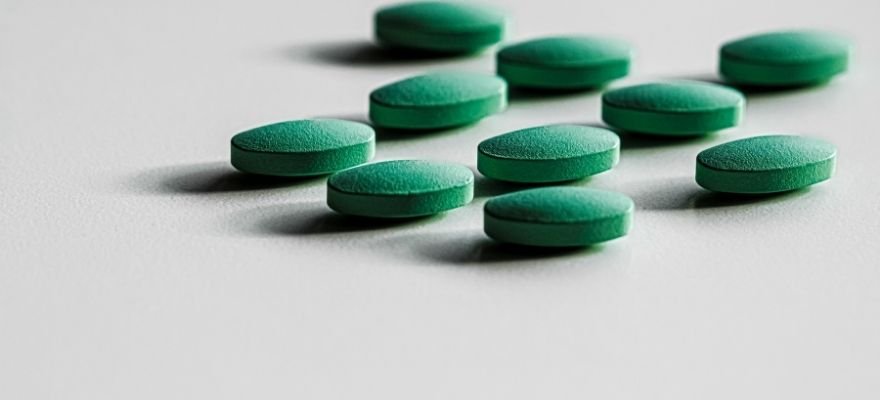
So, are probiotics worth taking?
This is the question everyone really wants answered.
For some people and some specific purposes, they may well be. But there's currently little justification for telling every healthy person that they need a daily probiotic simply to maintain a "healthy gut".
The better question isn't:
"Are probiotics good?"
It's:
"Is this particular probiotic supported by evidence for what I want it to do?"
That's a much less exciting question to print across a supplement bottle. But it's a considerably better question for your wellbeing.
A thought to take away...
Perhaps the biggest lesson from probiotics has very little to do with bacteria. Wellness loves simple answers: good foods, bad foods, miracle ingredients and one product that supposedly fixes everything. Our bodies are rarely that straightforward.
Probiotics aren't nonsense, and they're not magic either. They're an interesting and developing area of science where specifics matter. Sometimes being informed means becoming comfortable with an answer that begins with two words: It depends.
References
The references below link to trusted third-party sources used to support the information in this article. These links will open external websites not operated by Apples.
- [1] National Institutes of Health Office of Dietary Supplements — Probiotics Detailed evidence-based information covering probiotic strains, potential benefits, product selection and safety.
- [2] National Center for Complementary and Integrative Health — Probiotics: Usefulness and Safety An evidence overview covering how different probiotics work, areas of research and important safety considerations.
- [3] Merenstein et al. (2024) — Is There Evidence to Support Probiotic Use for Healthy People? A peer-reviewed review examining whether the available evidence supports probiotic use among generally healthy people.


Covered in this article
Disclaimer: This article is intended for general wellbeing information only and does not replace professional medical advice. Always consult your GP or a qualified healthcare professional before using supplements or alternative products, especially if you have an existing medical condition or are under medical supervision.